Navigating the world of sugar reduction can be confusing‚ with trends like sugar detoxes gaining traction. Many question if quitting sugar abruptly is feasible‚
and understanding the impact of sugar on health and appearance is crucial for informed decisions.
This detox aims to help you break free from sugar’s grip‚ potentially reversing negative effects on your skin and overall well-being‚ offering a path to a healthier lifestyle.
What is a Sugar Detox?
A sugar detox‚ fundamentally‚ is a short-term dietary reset designed to eliminate added sugars from your diet. It’s not about deprivation‚ but rather about breaking the cycle of sugar dependence and recognizing its pervasive presence in modern foods.
Unlike a restrictive diet focused solely on weight loss‚ a sugar detox aims to address the underlying issues of sugar addiction and its impact on health. This often involves removing not just obvious sweets‚ but also hidden sugars found in processed foods‚ sauces‚ and even seemingly healthy items.
The 21-day timeframe is popular because it’s believed to be long enough to disrupt sugar cravings and allow the body to recalibrate its natural sweetness preferences. It’s a structured approach‚ often divided into phases‚ to gradually reduce sugar intake and then carefully reintroduce certain foods to identify individual sensitivities. The goal is lasting change‚ not just a temporary fix.
Ultimately‚ a sugar detox is a tool for regaining control over your eating habits and improving your overall health.
Why Consider a 21-Day Sugar Detox?
Considering a 21-day sugar detox can be a proactive step towards improved health and well-being‚ especially given the modern diet’s high sugar content. Beyond weight management‚ reducing sugar intake can have a profound impact on various aspects of your life.
Excess sugar is linked to numerous health problems‚ including obesity and potential premature aging of the skin. A detox can help mitigate these risks by reducing inflammation and supporting healthier skin function.
Many individuals find themselves caught in a cycle of sugar cravings‚ leading to overconsumption and feelings of guilt. A structured detox provides a framework to break this cycle‚ regain control over eating habits‚ and identify true hunger cues.
Furthermore‚ it can boost energy levels‚ improve mood‚ and enhance overall vitality. It’s an opportunity to reset your palate and rediscover the natural flavors of whole foods‚ fostering a healthier relationship with food long-term.

Understanding Sugar and Its Impact
Sugar’s pervasive presence in our diets significantly impacts health‚ contributing to issues like obesity and premature aging. Recognizing different sugar types and their effects is vital.
Understanding these impacts empowers informed dietary choices and supports successful sugar reduction efforts.
Different Types of Sugar to Eliminate

Embarking on a sugar detox requires understanding the various forms sugar takes‚ extending beyond just table sugar. The 21-Day Sugar Detox focuses on eliminating not only refined sugars like white sugar‚ brown sugar‚ and high-fructose corn syrup‚ but also hidden sugars found in seemingly healthy foods.
This includes natural sweeteners like maple syrup‚ honey‚ and agave nectar‚ as well as sugars present in fruit juices and certain fruits with high glycemic indexes. Processed foods are notorious for containing added sugars under various disguises – dextrose‚ sucrose‚ maltose‚ and corn syrup solids are just a few examples to watch out for on ingredient lists.

Furthermore‚ artificial sweeteners are also discouraged during the detox‚ as they can perpetuate sugar cravings and disrupt gut health. The goal is to reset your palate and reduce your overall dependence on sweet tastes‚ requiring diligent label reading and a commitment to whole‚ unprocessed foods.
The Negative Effects of Sugar on Health
Excessive sugar intake extends far beyond weight gain‚ impacting numerous aspects of health. Chronically high sugar consumption is strongly linked to an increased risk of developing type 2 diabetes‚ heart disease‚ and non-alcoholic fatty liver disease.
Furthermore‚ sugar fuels inflammation throughout the body‚ contributing to chronic conditions like arthritis and autoimmune disorders. It can also negatively affect gut health‚ disrupting the balance of beneficial bacteria and leading to digestive issues.
Interestingly‚ sugar even impacts skin health‚ accelerating the aging process by damaging collagen and elastin – proteins responsible for skin’s firmness and elasticity. This can manifest as wrinkles‚ sagging skin‚ and a dull complexion. A 21-day detox aims to mitigate these effects‚ allowing the body to begin healing and restoring optimal function.
Sugar Addiction and Withdrawal Symptoms
Sugar can be surprisingly addictive‚ triggering reward pathways in the brain similar to those activated by drugs. This explains why cravings can be so intense and difficult to overcome when reducing sugar intake.
Expect to experience withdrawal symptoms‚ particularly during the initial days of a detox. These can include headaches‚ fatigue‚ irritability‚ anxiety‚ and difficulty concentrating. Some individuals may also experience muscle aches or flu-like symptoms.
These symptoms are temporary and indicate your body is readjusting to functioning without a constant sugar supply. Understanding this physiological response is crucial for staying committed to the process. Preparation and support are key to navigating these challenges successfully‚ and recognizing them as signs of progress‚ not failure.

The 21-Day Sugar Detox Meal Plan: Phases
The detox unfolds in three distinct phases: elimination‚ reintroduction‚ and maintenance. Each phase builds upon the last‚ progressively guiding you towards lasting sugar habits.
This structured approach allows for mindful observation of your body’s responses and helps establish a sustainable‚ healthier relationship with food.
Phase 1: Elimination (Days 1-7)
The initial week focuses on complete sugar removal‚ a crucial step in breaking the cycle of addiction. This phase demands strict adherence to the detox guidelines‚ eliminating all forms of added sugar – that means no refined sugars‚ syrups‚ or even seemingly “healthy” options like honey or maple syrup.
Expect potential withdrawal symptoms during this period‚ such as headaches‚ fatigue‚ and intense cravings. These are temporary and indicate your body is adjusting to functioning without a constant sugar supply. Prioritize whole‚ unprocessed foods: lean proteins‚ healthy fats‚ and non-starchy vegetables should form the foundation of your meals.
Focus on hydration and adequate sleep to support your body’s detoxification process. This phase isn’t about deprivation; it’s about resetting your palate and rediscovering the natural flavors of real food. It’s a challenging but vital foundation for the subsequent phases.
Remember‚ consistency is key to success in this initial elimination stage.
Phase 2: Reintroduction (Days 8-14)
Following the strict elimination phase‚ Phase 2 carefully reintroduces specific sugar sources to identify personal sensitivities. This isn’t a free-for-all; it’s a methodical process of testing your body’s response to different sugars‚ one at a time.
Begin with small portions of natural sugars like fruit – perhaps a few berries – and monitor for any adverse reactions. These could include digestive issues‚ skin breakouts‚ energy crashes‚ or renewed cravings. Keep a detailed food journal to track your intake and symptoms.
Introduce one new sugar source every two to three days‚ allowing sufficient time to assess its impact. This phase helps determine which sugars your body tolerates well and which ones trigger negative responses. The goal is to establish a personalized‚ sustainable approach to sugar consumption‚ not to return to old habits.
Be mindful and observant during this crucial reintroduction period.
Phase 3: Maintenance (Days 15-21)
Phase 3 focuses on solidifying the habits established during the detox and creating a long-term‚ balanced lifestyle. This isn’t about deprivation; it’s about mindful consumption and making informed choices.
Based on your reintroduction phase findings‚ you’ll now integrate tolerated sugars in moderation. Prioritize whole‚ unprocessed foods and continue to limit refined sugars and artificial sweeteners. Focus on maintaining stable energy levels and preventing cravings by consistently nourishing your body.
Continue to prioritize hydration and incorporate regular physical activity. This phase is about building a sustainable relationship with food‚ recognizing your body’s signals‚ and enjoying treats occasionally without derailing your progress. Remember‚ the goal is not perfection‚ but consistent‚ healthy habits.

Embrace this phase as a journey towards lasting well-being.
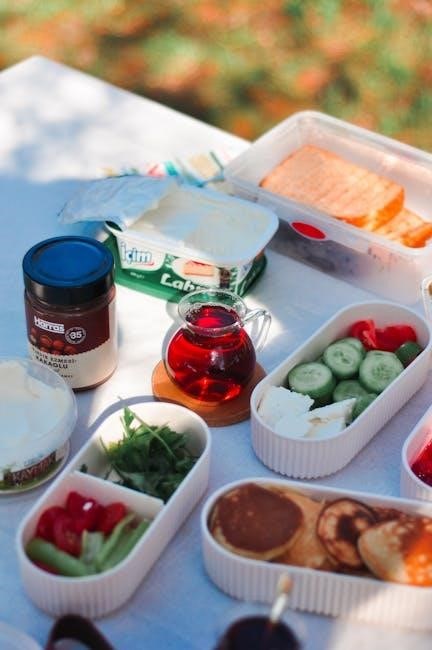
Sample 21-Day Sugar Detox Meal Plan
This plan provides a framework for nourishing meals throughout the detox. It emphasizes whole foods‚ lean proteins‚ and healthy fats to support your body’s healing process.
Breakfast Ideas
Starting your day with a sugar-free breakfast is vital for sustained energy and minimizing cravings. Focus on protein and healthy fats to keep you feeling full and focused throughout the morning.
- Scrambled Eggs with Spinach and Avocado: A classic‚ quick‚ and nutrient-packed option. Use coconut oil or olive oil for cooking.
- Coconut Yogurt with Berries and Nuts: Ensure the yogurt is unsweetened. Berries provide natural sweetness‚ and nuts add healthy fats and protein.
- Chia Seed Pudding: Made with unsweetened almond milk‚ chia seeds‚ and a sprinkle of cinnamon. Prepare it the night before for a grab-and-go breakfast.
- Salmon and Avocado Omelet: A savory and satisfying breakfast rich in omega-3 fatty acids and healthy fats.
- Smoothie (Sugar-Free): Blend unsweetened almond milk‚ spinach‚ protein powder‚ and a small amount of berries.
Remember to read labels carefully to avoid hidden sugars in ingredients like yogurt and almond milk. Prioritize whole‚ unprocessed foods for optimal results.
Lunch Ideas
Maintaining energy levels and avoiding afternoon sugar cravings requires a substantial‚ sugar-free lunch. Prioritize lean proteins‚ healthy fats‚ and plenty of non-starchy vegetables to keep you satisfied and focused.
- Large Salad with Grilled Chicken or Fish: Load up on leafy greens‚ colorful vegetables‚ and a protein source. Use an olive oil and vinegar dressing.
- Lettuce Wraps with Ground Turkey or Chicken: A light and refreshing option. Season the meat with herbs and spices instead of sugary sauces.
- Zucchini Noodles (Zoodles) with Pesto and Shrimp: A low-carb alternative to pasta. Ensure the pesto is sugar-free.
- Soup (Vegetable or Bone Broth Based): Choose soups without added sugar or starches.
- Leftovers from Dinner: A convenient and efficient way to stay on track.
Pack your lunch to avoid tempting sugary options when eating out. Focus on whole‚ unprocessed foods and mindful portion sizes for optimal success.

Dinner Ideas
Dinner should be a nourishing and satisfying meal to help you wind down and avoid late-night cravings. Focus on protein‚ healthy fats‚ and non-starchy vegetables for a balanced and sugar-free experience.
- Baked Salmon with Roasted Asparagus and Sweet Potato: A classic combination providing omega-3s and essential nutrients.
- Chicken Stir-Fry with Broccoli and Cauliflower Rice: Use coconut aminos instead of soy sauce to avoid added sugar.
- Ground Beef and Vegetable Skillet: A quick and easy one-pan meal packed with flavor and nutrients.
- Turkey Meatloaf with Green Beans: A comforting and protein-rich option.
- Shrimp Scampi with Zucchini Noodles: A lighter take on a classic dish‚ using zoodles instead of pasta.
Prioritize cooking at home to control ingredients and avoid hidden sugars. Season generously with herbs and spices for added flavor and enjoyment.
Snack Options
Snacking during a sugar detox is about bridging the gap between meals and preventing intense cravings. Choose options that provide sustained energy and keep you feeling full‚ avoiding sugary substitutes.
- Handful of Almonds or Walnuts: Healthy fats and protein for satiety.
- Celery Sticks with Almond Butter: A crunchy and satisfying combination.
- Hard-Boiled Eggs: A protein-packed snack.
- Avocado Slices with Everything Bagel Seasoning: Healthy fats and flavor.
- Small Portion of Berries (limited to ½ cup): A touch of natural sweetness.
Be mindful of portion sizes‚ even with healthy snacks. Pre-portioning can help prevent overeating. Focus on whole‚ unprocessed foods and listen to your body’s hunger cues to navigate snacking successfully during the detox.

Tips for Success on the Detox
Successfully navigating this detox requires proactive strategies. Managing cravings and prioritizing hydration are key to minimizing discomfort and maximizing results during these 21 days.
Managing Cravings
Cravings are a natural part of the detox process‚ especially in the initial days as your body adjusts to reduced sugar intake. Don’t view them as failures‚ but rather as signals your body is recalibrating. Distraction is a powerful tool; engage in activities you enjoy – reading‚ walking‚ or pursuing a hobby – to shift your focus away from sugary thoughts.
Prioritize protein and healthy fats in your meals‚ as these promote satiety and help stabilize blood sugar levels‚ reducing the likelihood of intense cravings. Staying hydrated is also crucial‚ as thirst can often be mistaken for hunger or sugar cravings.
If a craving hits‚ allow yourself a small‚ approved snack from your meal plan‚ like a handful of nuts or a piece of fruit (within the detox guidelines). Remember why you started this journey – visualize your health goals and the positive changes you’re striving for.
Staying Hydrated
Adequate hydration is paramount during a 21-day sugar detox‚ often underestimated but critically important for success. Water helps flush out toxins released as your body breaks free from sugar dependence‚ supporting natural detoxification processes. Aim for at least eight glasses of water daily‚ and even more if you’re physically active.
Sometimes‚ thirst is misinterpreted as a sugar craving‚ leading to unnecessary setbacks. Keep a water bottle readily available and sip throughout the day. Infuse your water with slices of lemon‚ cucumber‚ or berries for a refreshing flavor boost without adding sugar.
Herbal teas are also excellent hydrating options‚ but avoid those with added sweeteners. Proper hydration aids digestion‚ which can be disrupted during the detox‚ and supports overall energy levels; Prioritizing water intake will significantly contribute to managing cravings and feeling your best throughout the 21 days.

Resources and Further Information
Embarking on a 21-day sugar detox is a significant step‚ and continued support can greatly enhance your journey. Numerous online communities and forums offer a space to connect with others undergoing similar transformations‚ sharing experiences and recipes. Websites dedicated to healthy eating and sugar-free lifestyles provide valuable insights and meal planning ideas.
Consider exploring books and articles written by nutritionists and health experts specializing in sugar addiction and detoxification. Many apps are available to track your progress‚ monitor sugar intake (before the detox!)‚ and find healthy alternatives.
Remember to consult with a healthcare professional before starting any new dietary plan‚ especially if you have underlying health conditions. Reliable sources of information are key to ensuring a safe and effective detox experience. Utilize these resources to empower yourself and maintain long-term healthy habits beyond the 21 days.